
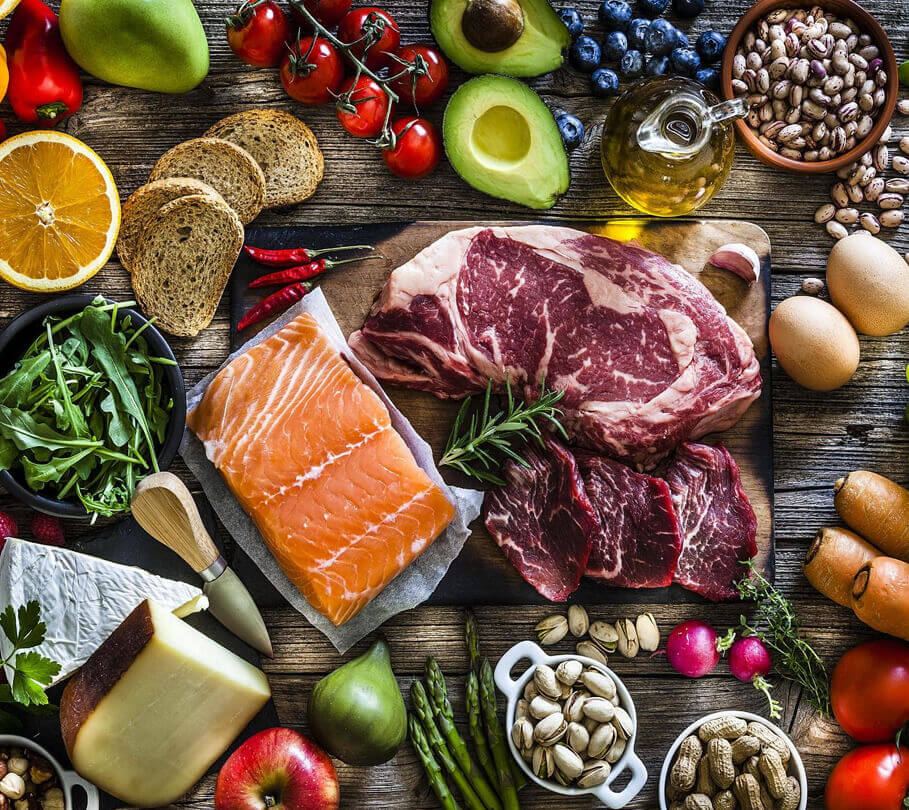
A healthy diet is essential for maintaining overall well-being and preventing various diseases. Emphasizing fruits, vegetables, whole grains, and lean protein sources while limiting added sugars, sodium, and unhealthy fats is a key component of a balanced diet. This essay explores the historical context, key figures, and impact of such a diet, as well as the influence of popular fad diets and potential future developments in the field of nutrition.
The emphasis on fruits, vegetables, whole grains, and lean protein sources in a healthy diet has a long-standing historical context. Throughout history, various cultures have recognized the importance of these food groups for optimal health and vitality. Ancient civilizations such as the Greeks, Romans, and Egyptians valued the consumption of fruits and vegetables for their nutritional benefits. In more recent years, scientific research has further confirmed the health benefits of these food groups, leading to widespread recommendations for including them in a balanced diet.
Key figures in the field of nutrition have played a significant role in promoting the importance of fruits, vegetables, whole grains, and lean protein sources. Renowned nutritionists and dietitians such as Marion Nestle, Michael Pollan, and Joy Bauer have advocated for a diet rich in plant-based foods and lean proteins. Their research and recommendations have informed public health policies and dietary guidelines, shaping the way people approach their food choices.
Despite the widespread knowledge of the benefits of a diet that emphasizes fruits, vegetables, whole grains, and lean protein sources, many individuals still fall prey to popular fad diets that promise quick fixes and rapid weight loss. These diets often restrict certain food groups, promote extreme eating patterns, and lack scientific evidence to support their efficacy. While they may provide short-term results, fad diets are generally unsustainable and can have negative health consequences in the long run.
In contrast, a healthy diet that includes a variety of nutrient-rich foods is sustainable and promotes overall health and well-being. By focusing on nutrient-dense foods such as fruits, vegetables, whole grains, and lean protein sources, individuals can ensure they are meeting their nutritional needs while reducing the risk of chronic diseases such as heart disease, diabetes, and obesity. Additionally, making water the drink of choice supports hydration and overall health without adding unnecessary calories to the diet.
Looking ahead, the future of nutrition is likely to include continued emphasis on the importance of fruits, vegetables, whole grains, and lean protein sources in a healthy diet. As research advances and new scientific discoveries are made, dietary recommendations may evolve to reflect the latest evidence on optimal nutrition. It is important for individuals to stay informed and make informed choices about their food intake to maintain good health and well-being.
A diet that emphasizes fruits, vegetables, whole grains, and lean protein sources while limiting added sugars, sodium, and unhealthy fats is essential for optimal health. By following a balanced diet that includes a variety of nutrient-rich foods and avoiding fad diets that promise quick fixes, individuals can support their overall health and well-being. With a focus on sustainable and evidence-based nutrition practices, individuals can make informed decisions about their diet and achieve long-term health benefits.